

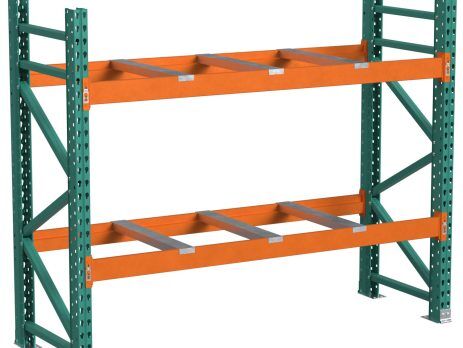
5 Essential Benefits of Investing in Lyon Bulk Storage Racks for Your Warehouse
Walk into any warehouse that’s struggling, and you’ll spot the same problem before anyone says a word: stuff everywhere. Boxes stacked in aisles. Pallets wedged into corners they were never meant to fit. Workers squeezing past each other to reach inventory that should’ve taken seconds to grab.
Bulk storage racks fix that problem at the source. They’re not glamorous, but they’re one of the highest-leverage upgrades a warehouse can make. Lyon racks turn wasted vertical space into usable capacity, cutting down on accidents, and making it possible to actually find things when you need them.
Here’s what that investment actually buys you.
Why Bulk Storage Racks Matter in the First Place
Most warehouses have more storage potential than they’re using. Going straight up is the obvious solution, and bulk storage racks are built to grab that space back. Instead of spreading inventory across the already-busy floor, you’re stacking it, which means more product in the same footprint without knocking down a wall.
They also come in enough configurations to handle almost anything you throw at them. Pallets, boxes, oddly-shaped equipment, you name it. That’s a big part of the appeal: one storage system, a lot of different jobs.
A few of the ways this plays out day to day:
- Space optimization: using both the height and the floor plan of your warehouse, not just one or the other
- Inventory organization: a real system instead of “it’s around here somewhere”
- Safety improvement: fewer things stacked precariously, fewer tripping hazards
- Access efficiency: items that are easy to reach are items that get picked faster
- Customization: racks built around your actual layout, not a generic one
Warehouses running high turnover get particular value from pallet racking systems, since loading and unloading palletized goods is where a lot of daily time gets burned. And when the load is heavy or the environment is demanding, metal storage racks earn their keep — steel and aluminum builds that hold up under constant use without flexing or failing.
None of this works well as a bolt-on afterthought, though. The best results come from assessing what your warehouse storage actually needs first, then choosing a system that matches, not the other way around.
You Get More Storage out of the Same Square Footage
This is the most obvious benefit, and the one people underestimate the most. Vertical space is usually a warehouse’s biggest untapped resource, and most operations use maybe half of what’s available above eye level. Bulk storage racks change that math. Instead of expanding the building, you expand upward, which means more inventory capacity without a single extra square foot of lease.
Adjustable storage shelves do a lot of the heavy lifting here. Because the shelf height can move, you’re not locked into one configuration. Small parts one week, bulkier equipment the next, all on the same rack. That flexibility matters more as inventory needs shift, which for most businesses is constantly.
For anything heavy, metal storage racks are the obvious fit. Their construction is built to carry serious weight without sacrificing safety or density, which is exactly what industrial environments demand.
Where things move fast, pallet storage racks pair naturally with the rest of the system. Stacking pallets vertically instead of spreading them across the floor speeds up both storage and retrieval. Add in modern pallet racking systems on top of that, and the whole warehouse moves with less friction: less time spent navigating around clutter leaves more time to actually get work done.

Old-School Shelving Doesn’t Hold up the Same Way
Traditional shelving looks fine until you actually try to grow with it. Most of it never uses the full height of a warehouse, which means valuable space just sits empty above the top shelf. Bulk storage racks flip that. By using the height that traditional shelving ignores, they free up floor space for everything else the warehouse needs to do, which matters a lot for businesses that are growing but not necessarily expanding their building.
Fixed shelving also tends to be rigid in a way that costs money later. When inventory changes and the shelving can’t, businesses often end up paying for more space instead of making better use of what they already have. Bulk racks, by contrast, adapt with the business instead of forcing the business to work around them.
There’s a retrieval-speed issue too. Traditional setups often bury items behind other items, which slows down picking. Bulk storage racks are designed with access in mind from the start, so retrieval times shrink and order fulfillment gets faster.
Everything Actually Has a Place
Storage without structure is just a maze. Bulk storage racks give inventory a logical home, which sounds simple but changes almost everything about how a warehouse runs day to day.
A few of the payoffs:
- A layout that actually makes sense: items placed with intention, not wherever there was room
- Faster retrieval: because workers know exactly where to look
- Better tracking: stock levels are easier to monitor when storage is consistent
Adjustable Shelves Solve the “Wasted Gap” Problem
Every warehouse deals with mismatched inventory sizes. A few large items, a lot of small ones, and shelving that isn’t built for either. Fixed shelves usually lose a chunk of space to gaps that don’t fit anything cleanly.
Adjustable storage shelves solve that by letting you reconfigure the shelf height to match what’s actually being stored, so almost no space goes to waste. That matters even more during seasonal swings, when inventory volume changes fast and rigid shelving can’t keep up.
There’s a quieter benefit too: visibility. When shelving is consistent and logical, workers spend less time hunting and make fewer picking errors, which adds up to real gains in productivity over a year.
Shelving Systems Are Part of the Bigger Operational Picture
Good warehouse shelving systems are built on logistics. Placing high-turnover items closer to dispatch, for instance, cuts down on unnecessary walking and speeds up daily output. A cleaner layout also means fewer obstructions, and fewer obstructions mean fewer accidents.
These systems also tend to play well with automation. RFID and barcode tracking integrate more smoothly when shelving is organized and predictable, which cuts down on manual errors. And when everyone knows where things live, coordination between teams gets easier almost automatically. Fewer delays, fewer “does anyone know where” moments, fewer fulfillment issues.
Fewer Accidents, Full Stop
Safety should be the baseline of any warehouse. Bulk storage racks do a lot of quiet work here just by keeping things where they belong.
The safety upside breaks down into a few concrete wins:
- Fewer spills and falls from stacked or precarious storage
- More stable structures, reducing the risk of collapse
- Clear aisles, which matter as much for daily movement as for emergency evacuation
Metal Storage Racks Are Built to Not Fail
Metal storage racks earn their reputation for durability honestly. Steel construction holds heavy loads without warping or bending, which is exactly the kind of long-term stability that keeps a warehouse safe over years.
That resistance to wear also means a lower risk of structural failure down the line, the kind of failure that causes real accidents. Design details help too. Rounded corners, secured shelving, and other features are aimed specifically at preventing injury in tight and high-traffic spaces.
Most quality racks also get a rust and corrosion-resistant coating, which extends their working life and prevents the kind of slow structural weakening that eventually turns into a safety problem. And with lower maintenance costs over time, metal storage racks end up being as much a safety investment as a storage one.
A Few Safety Habits Worth Building In
Racks alone don’t guarantee safety. How they’re used matters just as much.
Regular inspections catch wear before it becomes a hazard, and a thorough check covers everything down to base plates and bolts, not just the shelves themselves. Weight limits need to be clear and actually followed. Overloading a rack is one of the fastest ways to destabilize the whole system. Training matters, too — workers who know proper loading and unloading procedures, and who’ve run through emergency drills, respond better when something does go wrong.
It’s also worth anchoring racks to the floor, not just loading them correctly. Lyon recommends installing uprights level and plumb, then securing them with a concrete wedge anchor — a small step that meaningfully lowers the odds of a unit tipping under load.

Keep aisles clear, keep heavier items low, and revisit safety protocols regularly. None of this is complicated, but consistency is what actually keeps a warehouse safe over the long run.
One System, a Lot of Different Jobs
Bulk storage racks aren’t a one-industry solution. They show up everywhere, and for good reason.
- Retail: clean, organized product displays with backup stock ready to go
- Manufacturing: raw materials and equipment sorted for fast access
- Distribution: sorting and dispatching goods without the process turning into chaos
Where They Actually Get Used
In retail, bulk storage racks keep products displayed cleanly up front while backup stock stays organized and ready behind the scenes. That visibility helps both staff and customers find what they need.
Manufacturing plants use them to keep raw materials and equipment clearly sectioned off, which cuts down on the time workers spend hunting for things. Less hunting means less downtime overall.
Distribution centers lean on them for sorting and dispatching, since quick access and clear categorization are what keep tight shipping schedules from falling apart.
Even healthcare facilities use bulk storage racks to keep medical supplies organized and available. In food and beverage, proper shelving helps keep perishable goods stored safely, cutting down on spoilage in a business where waste eats directly into margin.
Shelving Units Aren’t Just for Warehouses
Bulk storage racks — and other Lyon storage racks — get overlooked as options outside of industrial settings. But they can take underused space, like garages, small back rooms, or anything with a bit of vertical clearance, and turn it into real, organized storage.
Lyon actually builds garage shelving units specifically for this: a boltless rack that assembles without tools, holds up to 800 lbs per shelf, and comes with moisture-resistant Duradeck panels so paint cans, automotive fluids, and greasy tools don’t ruin the decking.
For smaller businesses or startups, that same idea — repurposing underused space instead of leasing more of it — is a low-cost way to build storage capacity without the overhead of a full warehouse buildout.
They work just as well outside of business use, too. Plenty of homeowners use them to clear out clutter and organize seasonal or bulky items without their garage looking like a forgotten storage unit.
Because they’re lightweight, sturdy, and customizable, they can be moved and reconfigured as needs change, which makes them a genuinely flexible option no matter what kind of space you’re working with.
The Math Works out in Your Favor
The upfront cost of bulk storage racks isn’t nothing, but stretched out over the long life of the system, the savings add up in ways that are easy to underestimate.
The savings show up through:
- Less wasted space
- Fewer storage-related accidents and losses
- Lower day-to-day inventory management costs
Industrial Shelving Units Are Built to Outlast Their Price Tag
Industrial shelving units are designed for the long haul, which is really where their value lies. Sturdy construction means less replacement, fewer repairs, and a system that keeps performing under heavy, frequent use instead of degrading after a year or two.
That durability also means fewer operational hiccups. Lower-quality racks tend to create hazards and unplanned downtime. Solid ones just keep working, which protects both safety and the bottom line.
They also make better use of the space you already have, which delays — sometimes indefinitely — the need for a costly expansion or additional rented space. And because they can be reconfigured or expanded as needs change, you’re not stuck buying an entirely new system every time your inventory shifts. Maintenance stays minimal too, which keeps the long-term cost curve flat instead of creeping upward.
Pallet Racking Systems Pay for Themselves
Pallet racking systems ask for a bigger check upfront, but the return tends to justify it. Efficient layouts cut handling time, which speeds up nearly everything downstream. Faster service, better customer satisfaction, real gains in day-to-day productivity.
They also reduce product damage. Sturdy, well-designed storage means fewer dropped or crushed items, which means fewer losses eating into inventory value.
Scalability is another perk. Expanding a pallet racking system usually means adding modules, not overhauling the whole setup, which keeps growth affordable.
The Bottom Line
Bulk storage racks are both a storage and operational upgrade. Done right, they free up space, sharpen organization, cut down on accidents, adapt across industries, and pay for themselves over time.
The best part is how customizable all of this is. The right rack setup, whether it’s industrial storage systems, metal storage racks, or a mix of adjustable storage shelves and garage shelving units, can be built around exactly what your warehouse needs instead of forcing you into a one-size-fits-all layout.
As demands shift and businesses grow, bulk storage racks are built to grow with them. This supports the kind of efficient, safe, and scalable operation that keeps a warehouse competitive instead of just functional.
Frequently Asked Questions
How much weight can a bulk storage rack hold?
Each section of Lyon bulk storage racks is rated to hold up to 10,000 lbs, depending on the decking and configuration you choose.
What’s the difference between bulk storage racks and pallet racking?
Bulk storage racks are built for manual loading of medium-weight, bulky items. Pallet racking is the heavier-duty option, designed for forklift loading and unloading, with teardrop uprights that hold up to 20,600 lbs per pair.
Can industrial shelving hold up in a garage?
Yes. Lyon’s rivet rack garage shelving is a boltless, no-tools design rated for 800 lbs per shelf, with moisture-resistant panels built for automotive fluids and grease.
